

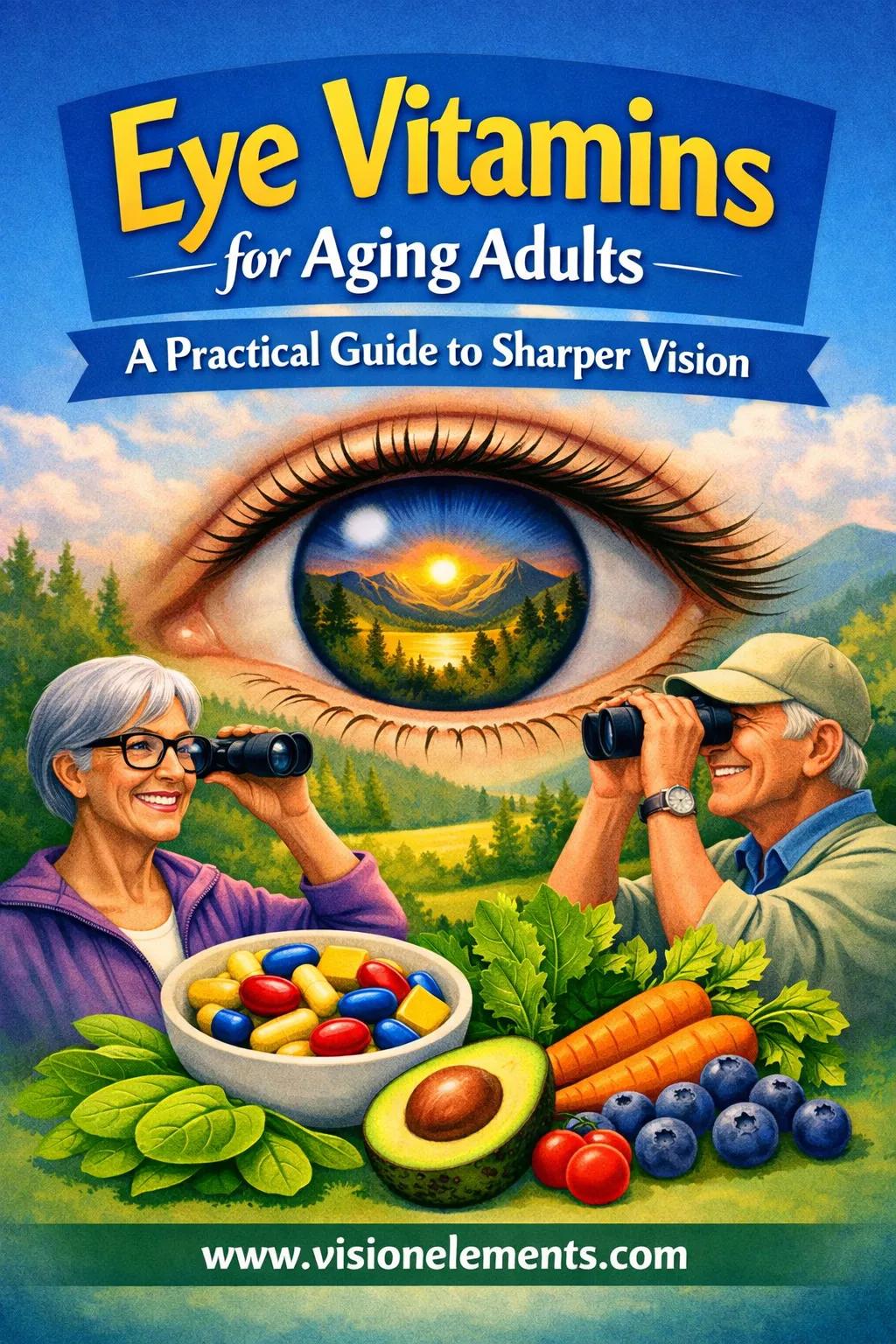
vitamins to improve eyesight
Reaching middle age comes with countless small reminders that our bodies are changing. Reading menus in dim restaurants becomes a challenge. Driving at night feels more strenuous than it used to. Eye fatigue sets in faster after a few hours at the computer. These changes are largely natural, but they are not entirely inevitable. Modern nutritional science has identified specific compounds that can slow age-related vision decline and, in some cases, actually improve certain aspects of visual function.
If you are over 40 and want to take control of your eye health, understanding which vitamins for eye health deliver real benefits is the first step. This guide breaks down the science in practical terms, helping you make informed decisions about your daily routine.
Why Aging Eyes Need Extra Support
The retina, lens, and macula are uniquely vulnerable to oxidative damage. Every time light enters the eye, photons strike delicate cellular structures and generate reactive oxygen species that, if unchecked, gradually wear down the tissue. Over decades, this damage accumulates and contributes to conditions like cataracts, dry eye syndrome, glaucoma, and macular degeneration.
Younger bodies have robust antioxidant defenses that neutralize this damage in real time. As we age, however, these defenses weaken. Nutrient absorption also declines, meaning that even people who eat well may not be getting enough of the compounds their eyes need. This is the gap that targeted supplementation is designed to fill.
Nutrients That Truly Make a Difference
Hundreds of supplements claim to support eye health, but only a handful have substantial scientific evidence behind them. When evaluating vitamins to improve eyesight, focus on formulas that contain the following well-researched ingredients:
Lutein and Zeaxanthin
These carotenoids concentrate in the macula and protect against blue light damage. Numerous studies have shown that supplementation improves macular pigment density, enhances contrast sensitivity, and reduces glare discomfort. They are arguably the most important compounds for long-term eye health.
Vitamin A and Beta-Carotene
Vitamin A is essential for low-light vision and helps maintain the integrity of the cornea and tear film. While beta-carotene was removed from AREDS2 formulas for smokers, lutein and zeaxanthin now serve as safer alternatives that provide similar antioxidant benefits.
Vitamin C
This water-soluble antioxidant is concentrated in the lens and aqueous humor. Adequate vitamin C intake is associated with a reduced risk of cataract formation and supports healthy blood vessel function throughout the eye.
Vitamin E
A fat-soluble antioxidant that protects cellular membranes from oxidative damage. Vitamin E works synergistically with vitamin C, which can regenerate it after it has neutralized free radicals.
Zinc and Copper
Zinc is critical for retinal health and helps convert vitamin A into the form needed for night vision. It is typically paired with copper, since high doses of zinc alone can deplete copper levels in the body.
Omega-3 Fatty Acids
DHA is a structural component of retinal cell membranes and supports tear film stability. Omega-3 supplementation has been shown to reduce dry eye symptoms and may also support overall retinal health.
Beyond Supplements: A Holistic Approach
While vitamins for eye health are powerful tools, they work best as part of a comprehensive strategy. Annual comprehensive eye exams are non-negotiable, as they can detect conditions like glaucoma and early AMD before symptoms appear. Blue light filtering glasses or screen settings can reduce digital eye strain. Staying well-hydrated supports tear production, and limiting processed sugar reduces systemic inflammation that affects every organ, including the eyes.
Sleep is another underrated factor. The eyes repair and replenish themselves during deep sleep, and chronic sleep deprivation has been linked to a higher risk of several ocular conditions. Aim for seven to nine hours of quality sleep each night to give your eyes the recovery time they need.
Setting Realistic Expectations
It is important to understand what vitamins for the eyes can and cannot do. Supplements cannot reverse cataracts, restore retinal damage that has already occurred, or eliminate the need for corrective lenses. What they can do is slow further decline, optimize the function of healthy tissue, and reduce your risk of developing serious eye diseases in the future.
Some users report improvements in contrast sensitivity, glare recovery, and overall visual comfort within a few months of consistent supplementation. These benefits are real but subtle — they enhance the quality of your vision rather than dramatically transforming it.
The Long Game
Eye health is a long-term investment. Starting a quality supplement regimen in your 40s or 50s is far more effective than waiting until problems become severe. Combined with healthy lifestyle choices and regular professional care, the right vitamins can help you maintain clear, comfortable vision well into your 70s, 80s, and beyond. Vision is not just about seeing it is about independence, safety, and enjoying the people and experiences you love. Protecting it deserves your attention starting today.